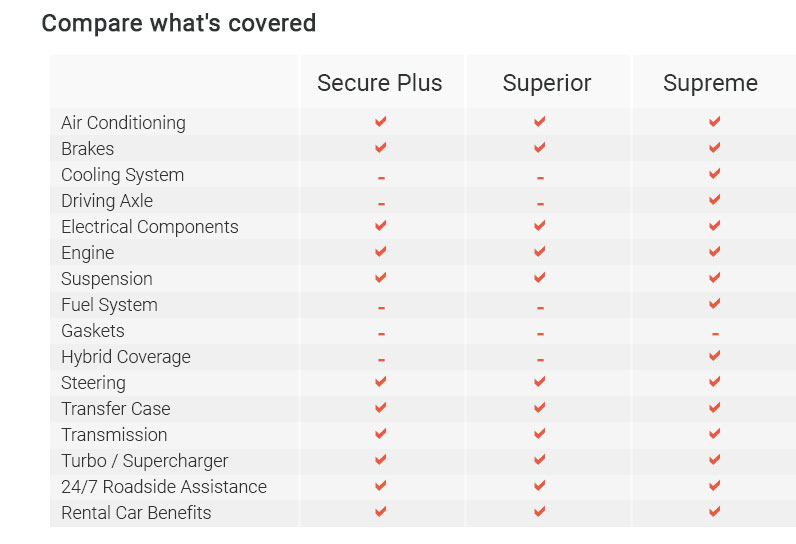
automobile warranty essentials, choices, and tradeoffsWhat it does, and what it does notAn automobile warranty promises repair or replacement for specified defects within a defined time and mileage. It is not blanket protection for everything that ever breaks. The value lies in predictable support and convenience when the unexpected happens, yet the fine print can shift outcomes in ways that feel subtle. Common coverage layers- Powertrain: Engine, transmission, drive axles. Long terms, narrower scope.
- Comprehensive (often called bumper-to-bumper): Broad systems covered, shorter term, more exclusions.
- Corrosion/perforation: Rust-through, not cosmetic surface rust.
- Roadside assistance: Towing, jump-starts, lockouts; convenience matters at 2 a.m.
- Emissions and safety systems: Sometimes governed by separate federal or state rules.
Typical exclusions- Wear items: Brake pads, wiper blades, tires.
- Damage from neglect or modifications.
- Fluids and diagnostics not tied to a covered repair.
- "No trouble found" visits - gray area, occasionally billable.
Terms, limits, and the little gotchasCoverage is described as time and mileage, whichever comes first. Transferability, deductibles, and claim caps shift the math. On paper it seems simple; in service bays it can be murkier. - Deductible vs premium: Higher deductible lowers cost, but raises friction at failure time.
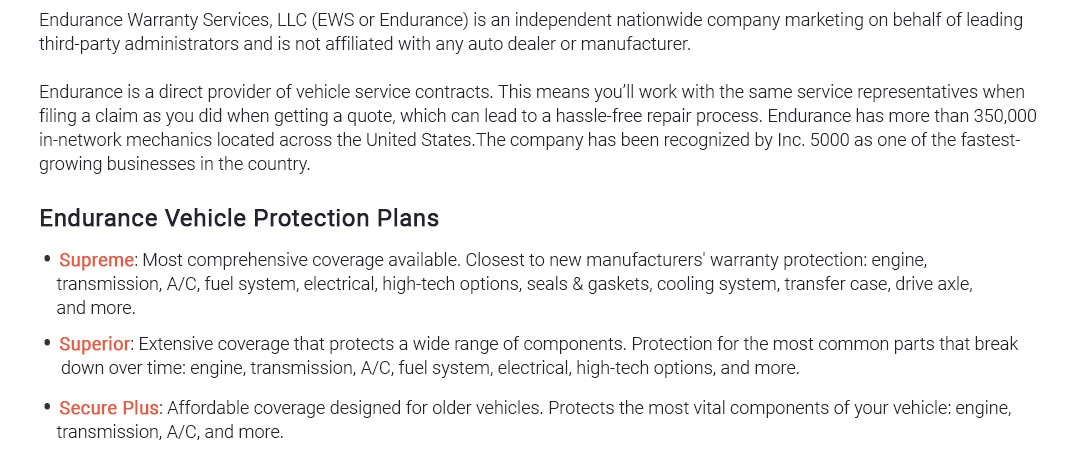
- Shop choice: Open choice gives flexibility; network-only offers faster approvals and direct pay.
- New, CPO, or third-party: Factory plans integrate cleanly; CPO adds inspection value; third-party can reach older cars but may require pre-authorization.
- Parts quality: OEM parts align with specs; aftermarket may be fine but sometimes disputed.
Support and convenience in practiceLast winter, a coil pack failed on a cold commute. I tapped roadside assistance, got a tow to a network shop, and the claim approved in minutes - no wallet-out moment, just a signature. Smooth, though I did wait an extra day for parts because the plan insisted on OEM stock. The support felt solid; the convenience was real, even with a small delay. Cost-benefit, with tradeoff focus- Estimate your likely repairs by age, mileage, and known model quirks.
- Compare plan cost plus deductibles against that risk curve.
- Weigh downtime friction: loaner availability, towing distance limits, and claim speed.
- Check exclusions that overlap your car's weak spots.
- Confirm cancellation and transfer rules; they add resale flexibility.
Reading the contract without getting lost- Define "covered component" lists and cross-check with your most failure-prone systems.
- Note maintenance duties; missed services can void claims.
- Look for labor-rate caps and diagnostic coverage.
- Check geographic limits - road trips and moves matter.
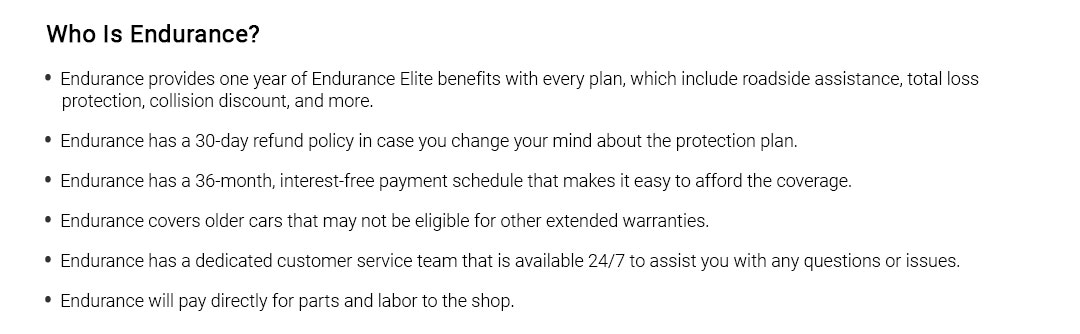
Signals of a supportive plan- Direct-pay networks so you avoid reimbursement paperwork.
- Clear roadside benefits with stated tow miles and response targets.
- Transparent parts policy and documented approval timelines.
- Concierge claims - one call from breakdown to repair status.
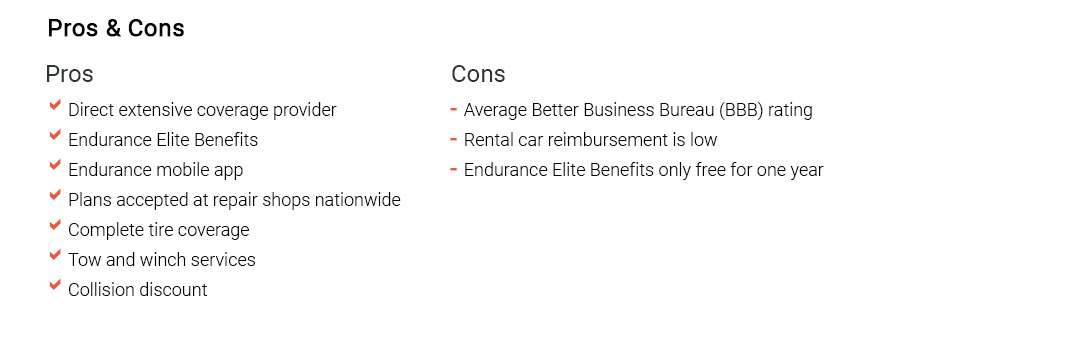
I want to say "just pick the longest term and move on," yet it's rarely that neat. The best choice balances your car's reliability profile with how much support you want on a bad day. If the plan reduces stress, cuts time without a car, and keeps surprises small, it's doing its job - numbers and comfort aligned. 
|
|